Mazda Familia First Generation Van
Introduced in 1963, the original Familia Van combined light-commercial practicality with passenger-car comfort and established the Familia name before the wagon and sedan arrived.
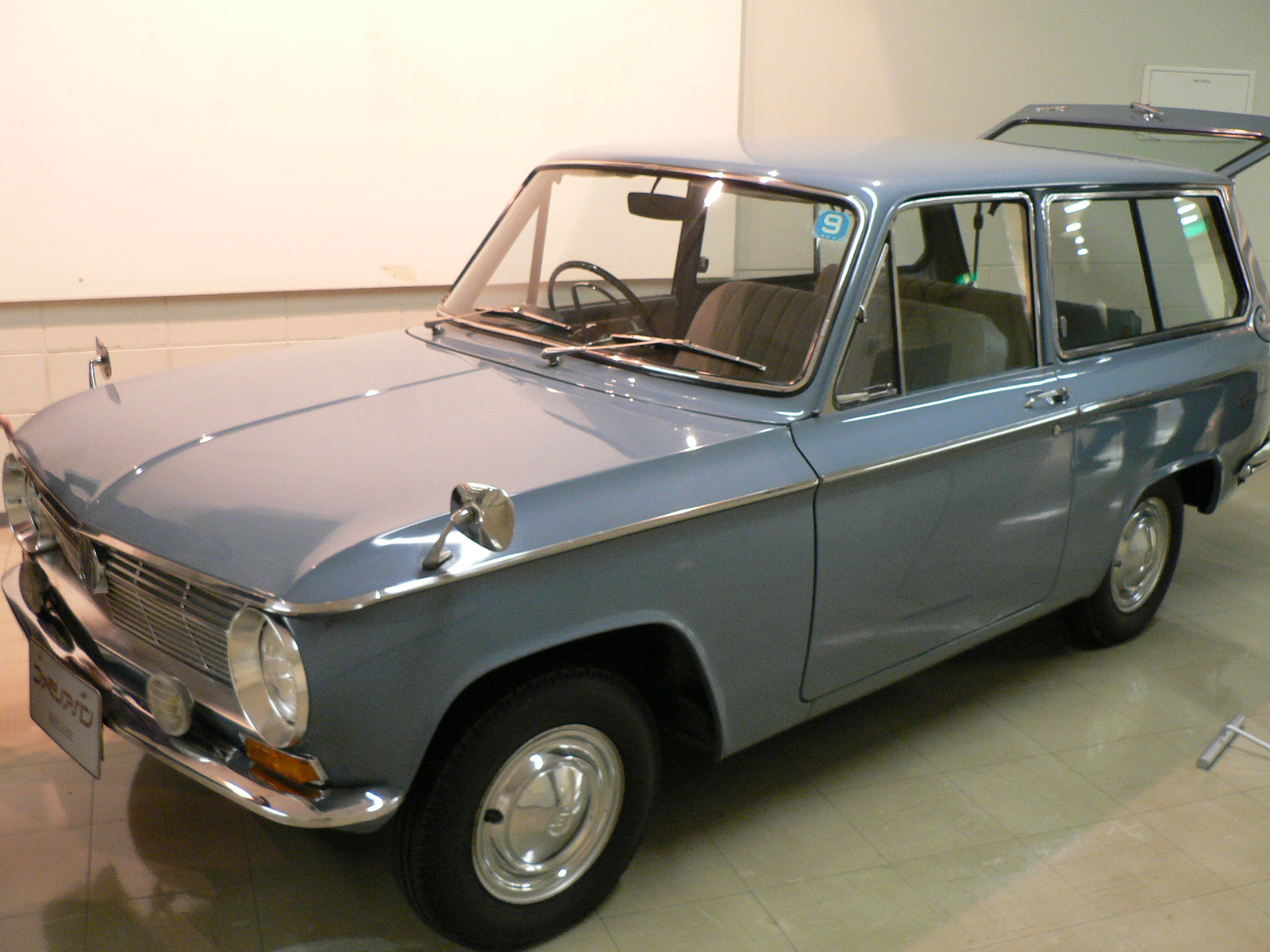
The van that launched the Familia
The Familia began in 1963 as a compact commercial van capable of carrying people and goods. It belongs within the first-generation Familia, rather than forming a separate model or generation. Mazda developed it for demand in Japan for practical transport with the comfort and character of a passenger car. The name Familia means family in Italian. Mazda’s anniversary history identifies the van as the starting point of this family-car programme.
Development and purpose
Mazda’s development programme initially envisaged a small sedan with a water-cooled engine in the 600–800 cc class. Market research redirected the programme toward a light van offering greater comfort and performance than the smallest commercial vehicles. The resulting Familia used a clean, angular body to combine everyday passenger use with commercial utility. This shift explains why the commercial body preceded the passenger-car versions. Mazda’s development history describes the decision.
Body and engineering
The original van had two side doors and a horizontally divided rear gate, with upper and lower sections providing access to the load compartment. Its engine was mounted at the front and drove the rear wheels.
The introductory engine displaced 782 cc and used a water-cooled, overhead-valve inline-four layout with aluminium construction. Mazda associates its manufacture with the company’s casting and machining capabilities. These details describe the original van; later sedan and coupé engine specifications should not be transferred to it. Mazda’s Japanese first-generation history documents the body configuration and powertrain.
Introduction and the separate passenger wagon
The introduction year is securely documented as 1963, but Mazda’s accounts disagree on the month: its narrative history gives September, while its corporate chronology lists October. Neither establishes that the difference represents separate announcement and sales dates.
The chronology records the Familia passenger wagon in April 1964, followed by the sedan in October and truck in December. The 1963 van and the subsequent wagon therefore require separate variant records, even though Mazda’s anniversary gallery groups the van under a broad Wagon/Van category.
Mazda lists the second-generation Familia’s introduction in November 1967. That event alone does not establish when production of this particular commercial body ended. The sources cited here do not securely establish a van-specific final production date or assembly location. Dates in this record are calendar events, not model-year designations.
Market names and historical significance
Mazda’s corporate chronology associates the first-generation van with the export description Mazda 800/1000 Estate. That combined label does not establish that both engine sizes were available at introduction, or that specifications were identical across markets.
The van established the Familia model line through practical commercial transport before the passenger range expanded. Its historical importance lies in that transition: a vehicle developed around carrying goods also helped Mazda reach customers seeking everyday family transport. Mazda’s anniversary account places this dual purpose at the centre of its conception.
Sources and image credit
- Mazda 100th Anniversary — Familia Van (1st): identity and purpose.
- Great Cars of Mazda — Familia Part 1: development and September 1963 introduction account.
- Mazda corporate history, 1920–1979: October 1963 introduction, April 1964 wagon and later range chronology.
- Mazda Familia history, Chapter 2 (Japanese): original van body and engine.
- 160SX — MAZDA FAMILIA VAN.jpg: photograph and CC BY-SA 3.0 licence.

Browse related records
1 records
Mazda Familia First Generation Van 782 cc Inline-Four Engine
The original Familia Van used a 782 cc aluminum-alloy, water-cooled inline-four. Mazda’s histories place its introduction in 1963 but differ on the month.
Engine
No matching records.